Physical retail is evolving rapidly as stores look for ways to compete with the convenience and data intelligence of online shopping. One of the most visible innovations driving this transformation is smart retail shelves. These technology-enabled shelves are redefining how products are displayed, priced, and managed inside physical stores. By combining inventory sensors with digital labels and analytics, retailers can introduce real time pricing, improve product availability, and create more responsive in-store experiences. What was once a static aisle is becoming a dynamic, data-driven environment that adapts to customer behavior and operational needs.
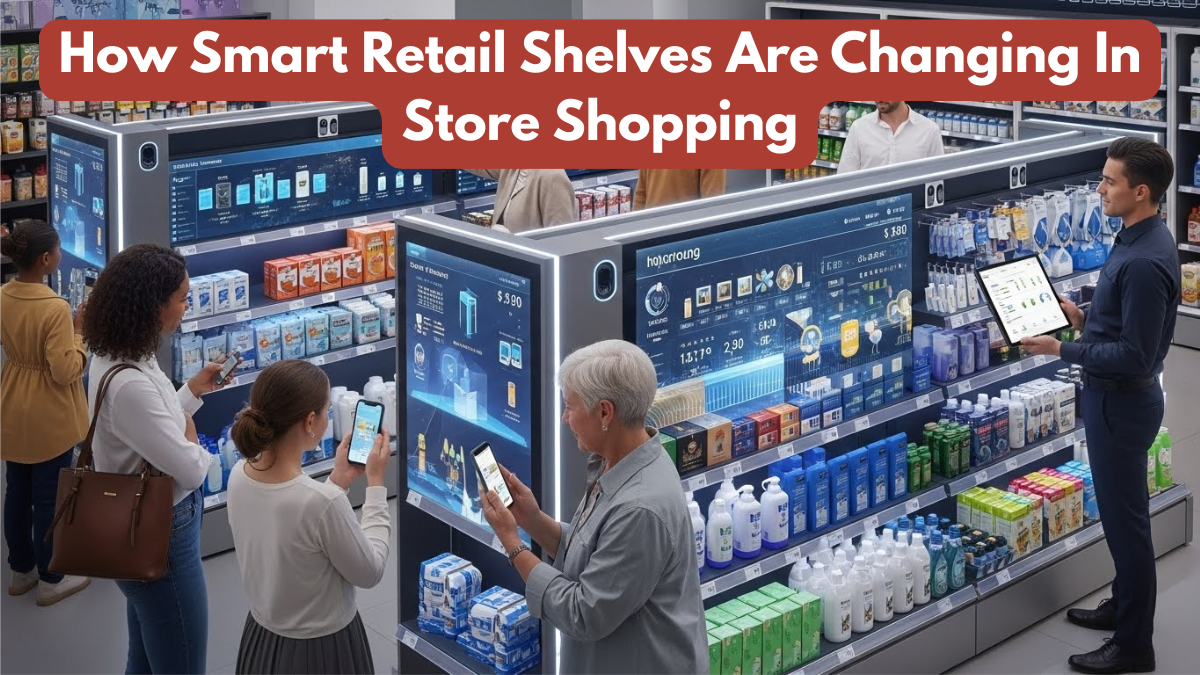
What Smart Retail Shelves Are and How They Work
Smart retail shelves are equipped with embedded technologies such as weight sensors, RFID readers, cameras, and digital price tags. These inventory sensors continuously track product movement, stock levels, and shelf conditions. When items are picked up, replaced, or run low, the system updates instantly. This real-time visibility allows stores to maintain accurate inventory without manual checks. Integrated software enables real time pricing, ensuring that prices can change instantly in response to demand, promotions, or inventory levels. Together, these components turn shelves into intelligent touchpoints within the retail ecosystem.
Enhancing the In-Store Shopping Experience
For shoppers, smart retail shelves create a smoother and more informative in-store journey. Digital labels can display detailed product information, promotions, and personalized offers based on context. Real time pricing eliminates confusion by keeping shelf prices synchronized with checkout systems. When inventory sensors detect low stock, associates can restock promptly, reducing empty shelves and frustration. These improvements make stores feel more responsive and reliable, bridging the gap between digital convenience and physical engagement. As a result, customers are more likely to trust pricing accuracy and product availability.
Operational Efficiency and Inventory Accuracy
From an operational perspective, smart retail shelves significantly improve efficiency. Manual stock counts and price audits are time-consuming and prone to error. With automated inventory sensors, retailers gain continuous insight into stock movement and shrinkage. This data enables better forecasting and replenishment decisions across stores. Real time pricing also reduces labor costs associated with changing labels during promotions. By automating routine tasks, smart shelves free staff to focus on customer service and merchandising, improving overall store performance and consistency.
Comparing Traditional Shelves and Smart Retail Shelves
A comparison highlights why smart retail shelves are gaining traction in modern retail environments.
| Aspect | Traditional Retail Shelves | Smart Retail Shelves |
|---|---|---|
| Price updates | Manual label changes | Instant real time pricing |
| Inventory visibility | Periodic checks | Continuous inventory sensors |
| Stock accuracy | Often inconsistent | Highly accurate |
| Customer information | Limited signage | Dynamic digital displays |
| Store efficiency | Labor-intensive | Optimized stores operations |
This comparison shows how smart shelves address long-standing inefficiencies in physical retail.
Data-Driven Merchandising and Store Strategy
The data generated by smart retail shelves extends beyond inventory tracking. Retailers analyze how customers interact with shelves, which products are frequently handled, and how pricing changes influence sales. Inventory sensors provide granular insights into product performance by location and time. With real time pricing, retailers can test promotions and adjust strategies instantly across multiple stores. This level of intelligence supports smarter merchandising decisions, reduces waste, and aligns shelf space with actual demand rather than assumptions.
Challenges and Considerations for Retailers
Despite their advantages, smart retail shelves require careful implementation. Upfront costs, system integration, and staff training can be significant. Retailers must ensure that inventory sensors are accurate and maintained properly to avoid data errors. Clear communication with customers is also important so that real time pricing changes feel fair and transparent. When deployed thoughtfully, however, these challenges are outweighed by long-term gains in efficiency, accuracy, and customer satisfaction within stores.
The Future of In-Store Shopping
As retail continues to blend physical and digital experiences, smart retail shelves are likely to become a standard feature. Advances in analytics and artificial intelligence will further enhance the value of inventory sensors, enabling predictive restocking and personalized shelf content. Real time pricing will allow stores to respond instantly to market conditions, competitor actions, and customer behavior. In this future, physical stores will no longer lag behind e-commerce in data capability, offering immersive, efficient, and adaptive shopping experiences.
Conclusion
Smart retail shelves are transforming in-store shopping by turning static displays into intelligent, responsive systems. Through accurate inventory sensors, flexible real time pricing, and enhanced operational visibility, retailers can create more efficient and engaging stores. These innovations not only improve day-to-day operations but also strengthen customer trust and satisfaction. As adoption grows, smart shelves will play a central role in redefining the future of physical retail.
FAQs
What are smart retail shelves?
Smart retail shelves are technology-enabled shelving systems that use sensors and digital displays to manage pricing and inventory in real time.
How does real time pricing benefit customers?
Real time pricing ensures accurate, up-to-date prices on shelves, reducing confusion and improving trust at checkout.
Do inventory sensors replace store employees?
No, inventory sensors automate tracking tasks, allowing employees to focus more on customer service and merchandising.
Are smart retail shelves expensive to implement?
Initial costs can be higher, but long-term efficiency gains often justify the investment for many stores.
Can smart retail shelves work in small stores?
Yes, scalable solutions allow both large and small stores to benefit from smart shelving technology.
Click here to know more.