Modern relationships are deeply influenced by attachment styles, even when people do not realize it. The way we connect, trust, communicate, argue, and love often traces back to early emotional experiences. Understanding attachment styles helps people recognize behavior patterns, emotional reactions, and relationship challenges. Whether someone feels overly worried in love like anxious individuals, avoids closeness like avoidant personalities, or feels emotionally balanced like secure partners, awareness changes everything. By learning about attachment styles and using supportive healing scripts, people can build healthier, stronger, and more emotionally safe connections today.
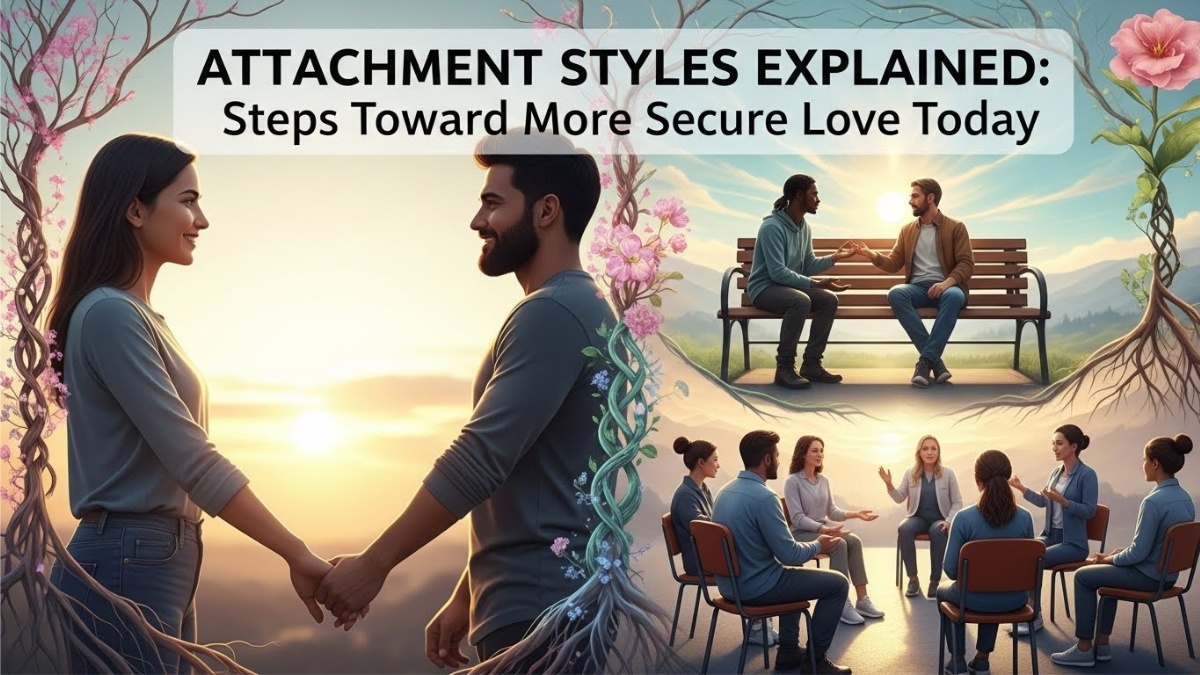
Understanding What Attachment Styles Really Are
Attachment styles refer to emotional connection patterns formed in childhood and carried into adult relationships. These emotional blueprints shape how people handle closeness, trust, vulnerability, and love. There are three primary attachment styles most commonly discussed: anxious, avoidant, and secure. People with an anxious style often fear losing relationships and crave reassurance. Those with an avoidant style fear emotional closeness and depend heavily on independence. Meanwhile, individuals with a secure attachment style trust relationships, communicate calmly, and feel confident in emotional bonds. Recognizing your attachment styles helps you understand why you react the way you do in relationships.
People benefit from learning about attachment styles because they:
- Gain emotional clarity and self-awareness
- Understand triggers and reactions better
- Improve communication
- Strengthen emotional trust
- Move toward secure bonding using healing scripts
This knowledge unlocks healthier ways of loving and being loved.
Anxious Attachment: When Fear Of Loss Controls Emotion
One of the most challenging attachment styles is the anxious style. People with an anxious pattern often fear abandonment, overthink conversations, and feel unsafe without constant reassurance. They may worry about whether they are loved enough, cared for enough, or important enough. The anxious attachment style often leads to emotional intensity, sensitivity, dependency, and self-doubt. These individuals love deeply but struggle with trust and emotional stability. However, with awareness and supportive healing scripts, anxious individuals can become healthier emotionally and move toward more secure relationships.
Common traits of anxious attachment include:
- Constantly seeking reassurance
- Overanalyzing partners’ behavior
- Fear of being ignored or replaced
- Emotional overwhelm during conflict
- Difficulty feeling safe emotionally
Working with healing scripts helps anxious individuals create grounding, self-soothing, and emotional trust habits.
Avoidant Attachment: When Closeness Feels Uncomfortable
Another key category within attachment styles is the avoidant attachment pattern. People with an avoidant style often fear emotional closeness. They may appear independent, emotionally distant, or uninterested in deep bonding. Instead of leaning into vulnerability, they withdraw. This does not always mean they lack love; rather, they fear dependence, losing control, or getting hurt. The avoidant style often avoids emotional conversations, pushes partners away, and hides feelings. However, with emotional awareness and healing scripts, avoidant individuals can learn to trust intimacy and move toward healthier secure relationships.
Common traits of avoidant attachment include:
- Difficulty expressing emotions
- Preference for emotional distance
- Discomfort with vulnerability
- Fear of dependence
- Tendency to shut down during conflict
Through understanding attachment styles and practicing emotional openness, avoidant individuals can slowly build comfortable closeness.
Secure Attachment: The Goal Many People Work Toward
Among attachment styles, the most balanced and emotionally healthy is the secure attachment style. People with secure attachment communicate openly, trust easily, manage conflict calmly, and feel safe in love. They do not fear abandonment like the anxious, and they do not avoid closeness like the avoidant. Instead, they balance independence with emotional connection. A secure style builds trust, safety, and emotional ease. The good news is, even if someone begins with anxious or avoidant attachment styles, they can still move toward a more secure style through awareness, growth, and supportive healing scripts.
Below is a helpful clarity table explaining how attachment styles connect with anxious, avoidant, secure, and healing scripts:
| Element | Role In Attachment Styles |
|---|---|
| Anxious | Struggles with fear of loss and emotional insecurity |
| Avoidant | Struggles with closeness and vulnerability |
| Secure | Healthy emotional bonding and trust |
| Healing Scripts | Tools to shift toward emotional safety |
| Awareness | First step toward transformation |
This understanding helps people shape healthier emotional lives.
Healing Scripts: How People Can Grow Into Secure Attachment
The most hopeful part of understanding attachment styles is knowing they are not permanent. With emotional effort and healing scripts, people can grow. Healing scripts are supportive phrases, thoughts, and guided emotional responses that help shift internal beliefs. For anxious individuals, healing scripts may include reminders like “I am worthy of love without chasing it.” For avoidant individuals, healing scripts may include affirmations like “Closeness is safe, and vulnerability builds real connection.” Practicing emotional awareness, therapy, journaling, and supportive relationships helps move from anxious or avoidant toward secure love.
Why Understanding Attachment Styles Improves Relationships
Relationships become easier when people understand their attachment styles. Instead of reacting blindly, they respond thoughtfully. Anxious partners learn emotional independence, avoidant partners learn vulnerability, and both move toward secure trust. Awareness builds empathy, reduces conflict, and supports deeper connection. With patience, communication, and healing scripts, relationships feel safer, warmer, and emotionally fulfilling.
Conclusion
Attachment styles shape how we love, trust, and connect. Whether someone feels anxious, avoidant, or secure, awareness offers the power to grow. With emotional understanding, patience, and supportive healing scripts, people can strengthen relationships, reduce emotional fear, and move confidently toward healthier, more secure love. Emotional healing is possible, and understanding attachment styles is the first powerful step.
FAQ
What are attachment styles?
Attachment styles describe emotional connection patterns like anxious, avoidant, and secure, which influence how people behave in relationships.
What is anxious attachment?
The anxious style feels afraid of losing love, seeks reassurance, and struggles with insecurity, but can improve through awareness and healing scripts.
What is avoidant attachment?
The avoidant style avoids closeness, fears vulnerability, and struggles with intimacy, but can grow toward secure attachment with emotional work and healing scripts.
Can attachment styles change over time?
Yes, with awareness, emotional effort, support, and consistent healing scripts, people can shift from anxious or avoidant toward healthier secure attachment.
Click here to know more.