In today’s hyper-connected world, silence has become rare, and true mental rest even rarer. People are constantly surrounded by notifications, traffic noise, screens, and emotional pressure. Amid this chaos, an ancient yet increasingly popular practice is offering deep relief—sound bath meditation. This immersive wellness experience uses healing sounds to guide the mind into states of calm, emotional release, and inner balance. Unlike traditional meditation that requires intense mental focus, sound bath meditation allows people to simply lie down, listen, and receive. As stress-related disorders rise globally, the demand for sound-based healing is growing rapidly, turning this practice into one of the most powerful modern wellness movements.
What Is Sound Bath Meditation and How It Works
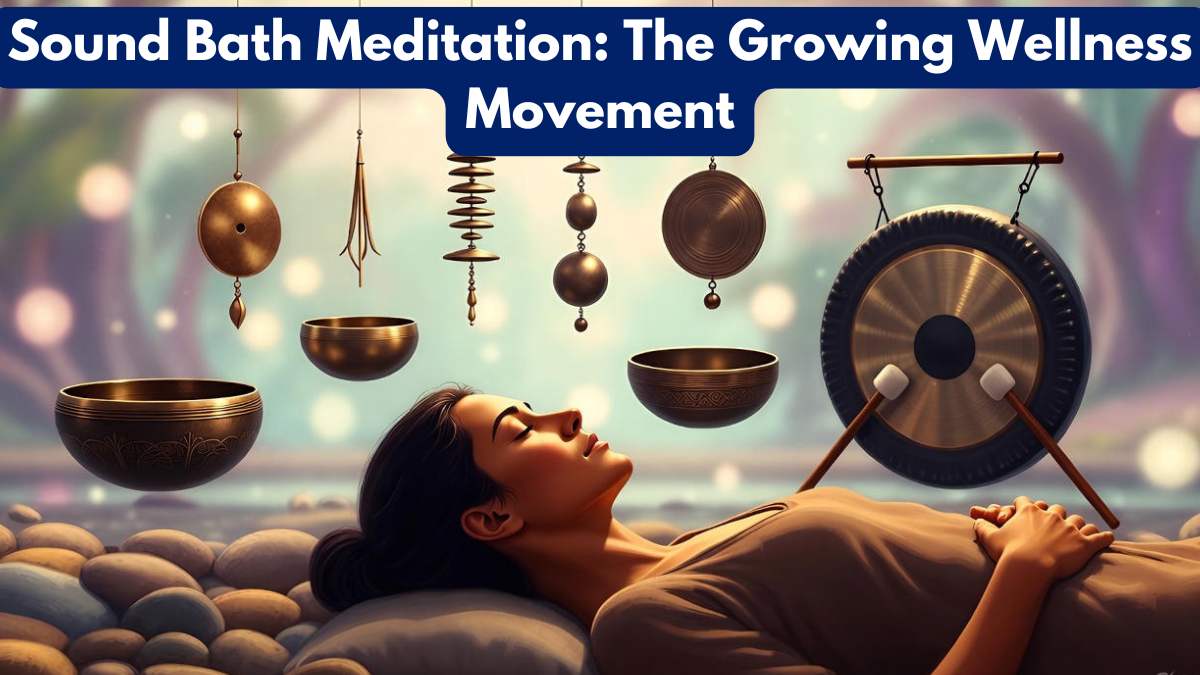
Sound bath meditation is a passive meditative experience where participants are “bathed” in layers of healing sounds produced by instruments such as singing bowls, gongs, tuning forks, chimes, and gentle vocal toning. Instead of focusing on breath or thoughts, the body and mind naturally respond to sound vibrations. These vibrations slow down brainwave activity from alert beta states into relaxed alpha and deep theta states, where healing and emotional processing occur naturally.
The science behind this shows that sound waves interact with the nervous system through frequency resonance. As the body absorbs healing sounds, the parasympathetic nervous system activates, reducing stress hormones and slowing the heart rate. This is why people often experience deep emotional release, mental clarity, or even vivid inner imagery during sound bath meditation. Unlike many wellness tools that demand active effort, this practice invites surrender, making it accessible to beginners, burnout sufferers, and even people who struggle with conventional meditation techniques.
The Emotional and Psychological Benefits of Healing Sounds
One of the strongest reasons sound bath meditation is expanding so quickly is its emotional healing potential. Healing sounds bypass the thinking mind and speak directly to the nervous system. This allows stored emotional tension, trauma, and subconscious stress to release gently without forcing conscious recall. Many people report crying, feeling emotional lightness, or experiencing deep peace during or after sessions.
From a psychological perspective, sound bath meditation helps with:
- Anxiety reduction
- Emotional regulation
- Trauma processing
- Depression management
- Improved emotional resilience
When healing sounds enter the body through vibration, they calm overactive neural circuits and stabilize mood fluctuations. This makes sound bath meditation especially beneficial for individuals dealing with chronic stress, PTSD, emotional burnout, and nervous system exhaustion. Over time, regular exposure to healing sounds builds emotional stability and improves coping capacity without relying on verbal therapy alone.
Physical Health Benefits of Sound Bath Meditation
Beyond emotional wellness, sound bath meditation also delivers powerful physical health benefits. As the body enters deep relaxation states through healing sounds, blood pressure decreases, digestion improves, muscle tension releases, and inflammation markers drop. The body shifts out of survival mode and into repair mode.
Here is a clear table showing the physical effects of sound bath meditation:
| Body System Affected | Effect of Healing Sounds | Result Through Sound Bath Meditation |
|---|---|---|
| Nervous system | Stress hormone reduction | Deep relaxation |
| Cardiovascular system | Slower heart rate and lower blood pressure | Heart health support |
| Muscular system | Reduced muscle tension | Pain relief and flexibility |
| Digestive system | Improved parasympathetic activation | Better digestion |
| Sleep regulation | Increased melatonin production | Deeper and longer sleep |
This table highlights how sound bath meditation works as both mental and physical therapy driven purely by healing sounds and vibrational resonance.
How Sound Bath Meditation Differs From Traditional Meditation
Traditional meditation usually requires active attention—focusing on breath, mantra, or thoughts—and this can be difficult for people with racing minds. Sound bath meditation removes that barrier. Instead of trying to control the mind, participants allow healing sounds to guide them naturally into meditative states. This makes the practice especially effective for modern, overstimulated lifestyles.
Another key difference is emotional accessibility. Many first-time participants achieve deep emotional release within their very first sound bath meditation session, while traditional meditation often requires weeks or months of practice for similar effects. Because the experience is sensory-based rather than effort-based, healing sounds reach people regardless of age, spiritual background, or prior meditation experience.
This unique accessibility is one of the main reasons sound bath meditation is now integrated into:
- Yoga studios
- Therapy centers
- Corporate wellness programs
- Hospitals and rehab centers
- Burnout recovery programs
The practice has moved far beyond spiritual circles and into mainstream healthcare and mental wellness industries.
The Role of Sound Bath Meditation in Sleep, Burnout, and Recovery
Sleep disorders and burnout are now global health emergencies, and sound bath meditation is becoming a natural solution for both. Exposure to healing sounds before sleep helps regulate circadian rhythms, quiet mental chatter, and activate rest hormones. Many people who struggle with insomnia, nightmares, or restlessness report significant improvement after only a few sessions.
For burnout recovery, sound bath meditation works on three levels at once: physical exhaustion, emotional overload, and mental fatigue. Unlike stimulant-based recovery methods that push the body, healing sounds gently rebuild energy by restoring nervous system balance. This makes sound bath meditation ideal for professionals, caregivers, students, and anyone experiencing emotional or energetic depletion.
Athletes also use sound bath meditation for faster physical recovery, muscle relaxation, and performance enhancement. Because deep relaxation speeds up tissue repair and hormonal balance, healing sounds have become a silent recovery tool in modern performance culture.
The Spiritual and Energetic Layer of Healing Sounds
While sound bath meditation is now widely supported by science, it also carries a spiritual and energetic dimension. Many participants describe sensations of lightness, emotional release, intuitive clarity, or deep inner stillness during sessions. Healing sounds are believed to clear energetic blockages, align internal rhythms, and restore vibrational balance within the body.
In traditional healing systems, sound has always been used as a tool for transformation. From ancient chants to temple bells and indigenous drums, vibration has guided emotional and spiritual healing across cultures. Sound bath meditation brings this ancient wisdom into a modern format that fits contemporary stress-related lifestyles.
Even for those who do not resonate with the spiritual aspect, the physiological relaxation itself creates space for emotional insight, self-awareness, and personal growth. In this way, healing sounds operate on both scientific and subtle levels simultaneously.
Sound Bath Meditation in Modern Wellness Culture
The rise of sound bath meditation reflects a larger shift in wellness culture—from force-based healing to frequency-based healing. People are moving away from aggressive fitness, harsh detoxes, and performance pressure toward gentler recovery-focused methods. Healing sounds represent this softer, more sustainable path to wellness.
Wellness retreats, luxury spas, workplace mindfulness programs, and even schools now include sound healing as part of their emotional health toolkit. As research deepens and public awareness expands, sound bath meditation is no longer viewed as an alternative practice—it is becoming a mainstream therapeutic tool.
The Future of Sound Bath Meditation and Healing Sounds
The future of sound bath meditation is closely tied to digital health innovation. Sound therapy apps, frequency-based sleep tools, AI-generated healing soundscapes, and immersive audio therapy devices are rapidly expanding access to this practice. Soon, personalized healing sounds could be created based on heart rate, brainwave patterns, stress levels, and emotional states.
Hospitals and mental health clinics are also exploring sound therapy for pain management, post-surgical recovery, trauma care, and anxiety disorders. As evidence continues to grow, sound bath meditation is expected to become a regular part of both preventive healthcare and emotional therapy.
Conclusion
Sound bath meditation is more than a wellness trend—it is a nervous-system revolution guided by healing sounds. By offering emotional release, physical relaxation, mental clarity, and spiritual grounding all at once, it provides a rare full-body healing experience in a single practice. In a world overloaded with noise, pressure, and mental fatigue, healing sounds allow the body to remember how to rest, reset, and rebalance naturally. As science and ancient wisdom continue to merge, sound bath meditation stands as one of the most powerful, gentle, and accessible healing movements of the modern age.
FAQs
What is sound bath meditation
Sound bath meditation is a relaxation practice where participants absorb healing sounds from instruments like singing bowls and gongs to calm the nervous system and promote deep emotional and physical healing.
How do healing sounds affect the body
Healing sounds slow brainwaves, reduce stress hormones, relax muscles, improve sleep, and activate the body’s natural repair systems.
Is sound bath meditation suitable for beginners
Yes, sound bath meditation is ideal for beginners because it requires no mental discipline or meditation experience—only listening and resting.
Can sound bath meditation help with anxiety and stress
Yes, regular exposure to healing sounds through sound bath meditation significantly reduces anxiety, stress, and emotional overload.
How often should someone practice sound bath meditation
Most people benefit from practicing sound bath meditation one to three times per week, depending on stress levels and wellness goals.
Click here to know more.