The way people think about waste has changed dramatically over the last decade. Overflowing landfills, polluted oceans, and climate instability have forced society to rethink daily habits—especially inside the home. Among the most powerful shifts emerging from this awareness is the rise of the zero waste kitchen. Once viewed as an extreme lifestyle choice, it is now becoming a realistic and practical expression of eco living. A zero-waste kitchen is not about perfection; it is about conscious reduction, reuse, and respect for resources. As kitchens are one of the largest contributors to household waste, transforming them creates a significant environmental and emotional impact that extends far beyond the home.
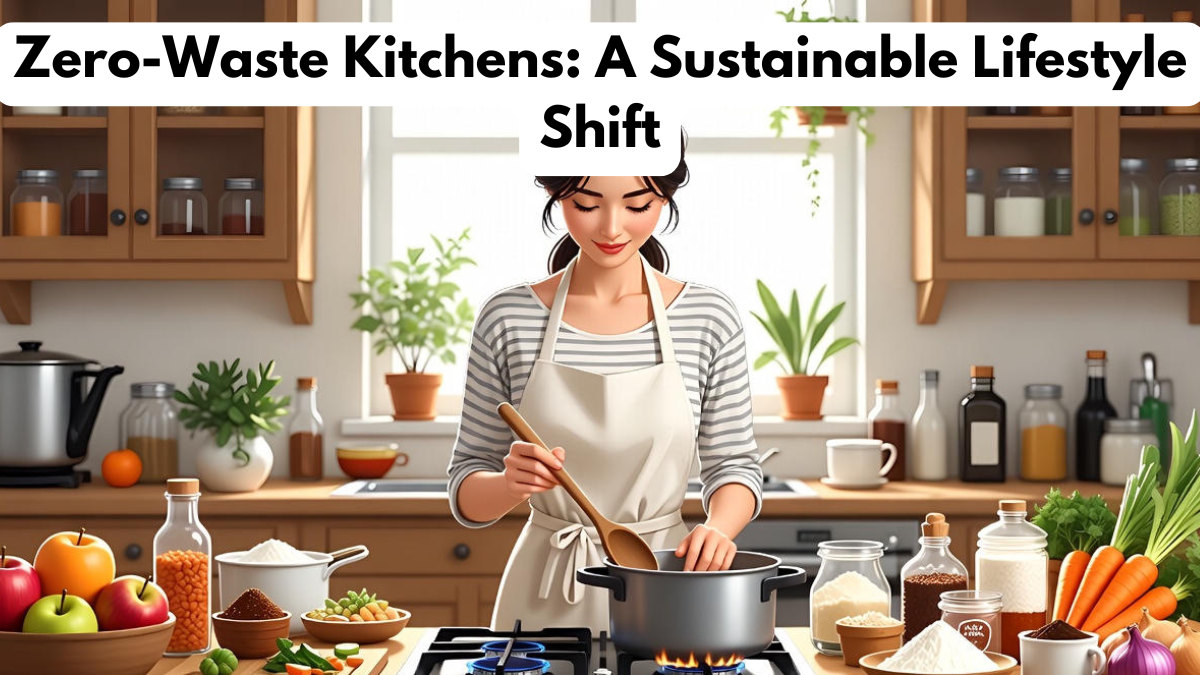
What Is a Zero Waste Kitchen and Why It Matters
A zero waste kitchen is a kitchen designed to produce minimal to no landfill waste. It focuses on refusing unnecessary packaging, reducing food waste, reusing containers, recycling responsibly, and composting organic matter. The purpose is not just waste control—it is the creation of a closed-loop system where resources are used mindfully and naturally returned to the environment. This philosophy aligns directly with the broader principles of eco living, which promote responsible consumption and long-term environmental balance.
Traditional kitchens generate waste at almost every step—plastic packaging, disposable paper products, food scraps, chemical cleaning bottles, and expired items. A zero waste kitchen transforms this pattern by redesigning everyday habits. It encourages bulk buying, fresh cooking, conscious storage, and waste-aware meal planning. This shift does not only benefit the planet; it creates cleaner spaces, healthier food habits, and a more intentional relationship with consumption. That is why the zero-waste kitchen is now seen as one of the strongest foundations of modern eco living.
How Zero Waste Kitchens Support Eco Living on a Daily Basis
The connection between the zero waste kitchen and eco living is deeply practical. Instead of being an abstract environmental idea, eco living becomes a daily experience through cooking, storage, cleaning, and shopping. Every simple choice made in the kitchen directly reduces environmental strain.
A zero-waste kitchen supports eco living through:
- Reduced plastic and packaging waste
- Lower carbon footprint from food sourcing
- Minimal food spoilage
- Natural cleaning methods
- Compost-based soil regeneration
Through these actions, kitchen routines become acts of environmental stewardship. People begin to see waste not as something to throw away, but as something misplaced that still carries value. Over time, this mindset reshapes shopping behavior, cooking habits, and long-term lifestyle values. The zero waste kitchen becomes a training ground for conscious living and environmental responsibility.
Zero Waste Kitchen vs Traditional Kitchen
The contrast between conventional kitchens and zero-waste kitchens clearly highlights the environmental and lifestyle impact of this shift:
| Feature | Traditional Kitchen | Zero Waste Kitchen |
|---|---|---|
| Packaging waste | High | Very low |
| Food waste | Frequent | Minimal through planning |
| Cleaning products | Chemical-based | Natural and refillable |
| Storage method | Disposable containers | Reusable glass and steel |
| Alignment with eco living | Weak | Strong and consistent |
This table shows why the zero waste kitchen is becoming one of the most important lifestyle upgrades within the eco living movement. It replaces short-term convenience with long-term sustainability.
The Psychological and Lifestyle Benefits of Zero Waste Kitchens
Beyond environmental benefits, the zero waste kitchen deeply impacts mental wellness and lifestyle satisfaction. Excess waste often reflects unconscious consumption, which leads to clutter, guilt, and disorganization. Zero-waste kitchens encourage mindfulness, planning, and simplicity. This creates a calmer mental environment where every item has purpose and value.
People who adopt this lifestyle often report:
- Reduced stress while cooking
- Stronger connection to food
- Greater appreciation for resources
- Less impulsive shopping
- A stronger sense of control over daily life
From the perspective of eco living, these psychological shifts are just as important as environmental outcomes. Conscious living is not only about saving the planet—it is also about restoring balance within one’s life. The zero waste kitchen becomes a space of intention rather than excess.
Food Waste and the Core of the Zero Waste Kitchen
Food waste is one of the biggest environmental threats within modern households. A zero waste kitchen directly tackles this issue through smarter meal planning, portion control, and creative reuse. Leftovers become new meals. Vegetable scraps become broth. Peels and unused parts are composted instead of discarded. Expiration dates become guidance, not rigid rules.
This circular approach to food supports eco living at its core. Instead of extracting more resources from the earth through excess buying, the zero waste kitchen extends the life of what is already there. This reduces greenhouse gas emissions, protects farmland, and minimizes water waste—all through everyday cooking behavior.
Over time, people also develop a new relationship with food. Eating becomes slower, more respectful, and less waste-driven. The kitchen transforms from a consumption zone into a regeneration zone.
Zero Waste Kitchen Design and Storage Strategies
Design plays a powerful role in how waste is created or avoided. A zero waste kitchen is typically organized for visibility, accessibility, and long-term reuse. Storage is centered around glass jars, stainless steel containers, cloth bags, and refillable bottles. Open shelving often replaces hidden cupboards to reduce forgotten ingredients and duplicate purchases.
A zero-waste kitchen often includes:
- Dedicated compost bins
- Bulk storage sections
- Refillable cleaning stations
- Cloth towel systems instead of paper
- Clearly labeled reusable containers
These structural changes make eco living automatic rather than effort-based. When sustainable tools are built into the kitchen environment, sustainable choices happen naturally. This design-based support is what makes the zero waste kitchen a sustainable habit rather than a temporary project.
The Financial Benefits of a Zero Waste Kitchen
Although many assume eco-friendly living is expensive, the zero waste kitchen often leads to long-term financial savings. Bulk buying reduces cost per unit. Reduced impulse shopping lowers monthly grocery bills. Longer-lasting tools eliminate the need for constant replacement. Food waste reduction alone saves hundreds of dollars per year for many households.
From an eco living standpoint, financial sustainability is a critical bonus. When people see clear economic benefits, sustainable behavior becomes far easier to maintain. Saving money while protecting the planet creates positive reinforcement that strengthens long-term habit change.
Challenges of Building a Zero Waste Kitchen
Transitioning into a zero waste kitchen is not without challenges. Accessibility to bulk stores, time for meal planning, and cultural dependence on packaged goods can create obstacles. Many people feel overwhelmed at the idea of eliminating waste completely. However, zero waste is not about perfection—it is about progress.
The most effective approach is gradual transition. Start with one change at a time: replace plastic bags with cloth, switch to refillable cleaners, begin composting, or reduce packaged snacks. Over time, these small adjustments naturally expand into a fully functioning zero waste kitchen that supports long-term eco living without pressure.
The Global Movement Behind Zero Waste Kitchens
The rise of the zero waste kitchen reflects a global shift toward accountability and mindful consumption. Cities, governments, and organizations are now promoting waste reduction programs, composting systems, refill stations, and plastic bans. As public awareness grows, individual kitchens become powerful centers of global change.
Social platforms also play a major role in spreading zero waste ideas. People share container systems, compost setups, creative leftover recipes, and home refill stations. This creates community-driven support systems that normalize eco living and inspire others to begin their own zero waste journeys.
The Future of Zero Waste Kitchens and Eco Living
The future of the zero waste kitchen is closely tied to innovation in packaging, biodegradable materials, and community-based resource sharing. Smart refill vending machines, compost pickup services, reusable packaging programs, and zero-waste grocery chains are expanding globally. These developments will make eco living more accessible than ever before.
As climate awareness intensifies, zero-waste kitchens will no longer be seen as alternative lifestyles. They will become basic standards for responsible homes. The kitchen of the future will not be defined by excess—but by efficiency, regeneration, and respect.
Conclusion
The zero waste kitchen is no longer just a sustainability experiment—it is becoming a powerful symbol of modern eco living. By transforming how food is stored, cooked, cleaned, and discarded, households directly reduce environmental harm while gaining mental clarity, financial savings, and emotional balance. Every jar reused, every scrap composted, and every mindful purchase strengthens a healthier relationship with both the planet and daily life. As eco living becomes a defining value of future societies, the zero waste kitchen will stand at the heart of lasting environmental transformation.
FAQs
What is a zero waste kitchen
A zero waste kitchen is designed to minimize landfill waste by reducing, reusing, recycling, and composting all possible resources.
How does a zero waste kitchen support eco living
It reduces plastic use, food waste, toxic chemicals, and environmental impact while promoting sustainable daily habits.
Is it expensive to build a zero waste kitchen
Initial changes may have small costs, but long-term savings from reduced waste and reuse usually outweigh those expenses.
Can zero waste kitchens work in small homes
Yes, even small kitchens can practice zero waste using vertical storage, compact compost systems, and refillable supplies.
Do zero waste kitchens really reduce environmental damage
Yes, by cutting down on landfill waste, plastic use, and food spoilage, zero waste kitchens significantly lower environmental strain.
Click here to know more.