The preference for familiar brands is one of the strongest and most consistent patterns in consumer shopping behavior. Even when new products enter the market with better pricing or attractive offers, many people still return to the same trusted brands for groceries, personal care, electronics, and daily essentials. Familiarity often feels safer than experimentation.
This pattern is closely linked to repeat buying behavior and long-term brand loyalty. Consumers often choose known products because they reduce uncertainty and simplify decision-making. The preference for familiar brands reflects not only trust in product quality but also emotional comfort and habit. Understanding this trend helps explain why customers often stay loyal to brands even in highly competitive markets.
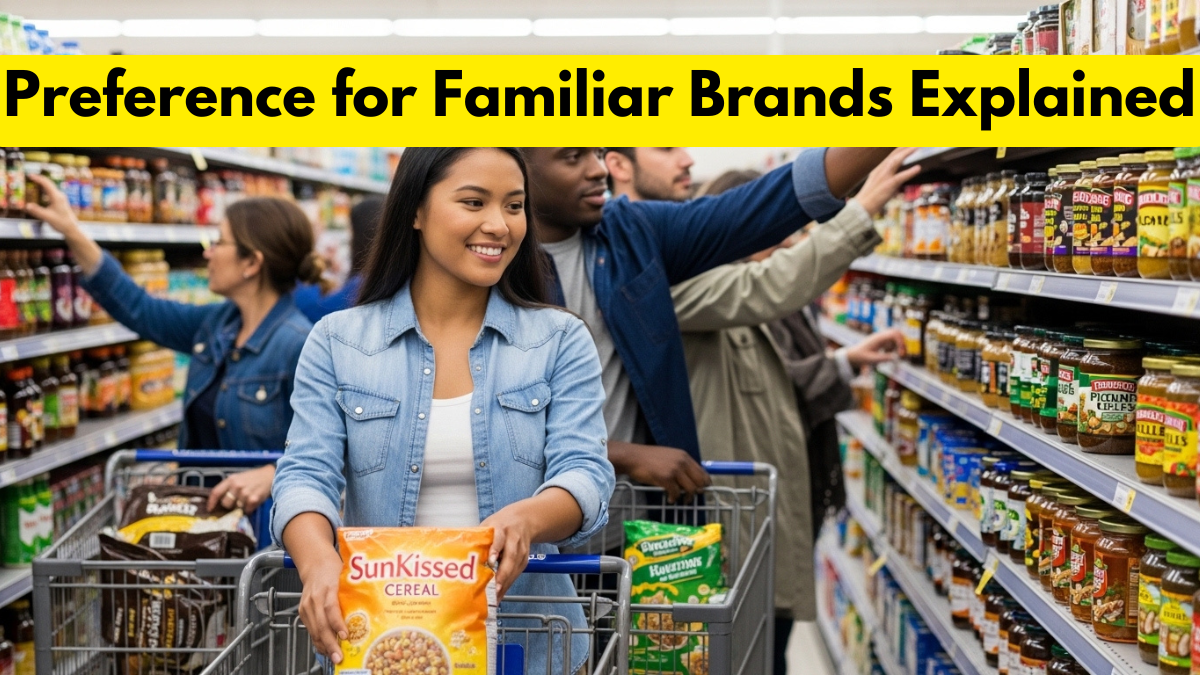
What Preference for Familiar Brands Really Means
The preference for familiar brands refers to the tendency of consumers to repeatedly choose products they already know instead of trying new alternatives. This behavior is common across categories such as food items, household goods, skincare products, and even financial services.
This happens because repeat buying behavior creates comfort. When a product has worked well before, people feel less risk in purchasing it again. They do not need to compare ingredients, read reviews, or worry about poor quality.
Strong brand loyalty also develops over time through positive past experiences, consistent product quality, and emotional trust. This makes the preference for familiar brands a powerful force in both everyday shopping and long-term customer retention.
Why Repeat Buying Behavior Is So Common
One major reason behind strong repeat buying behavior is decision simplicity. Modern shopping offers too many choices, and familiar brands reduce mental effort. People often prefer certainty over comparison, especially for routine purchases.
Emotional trust also strengthens the preference for familiar brands. Consumers may connect certain brands with family habits, childhood memories, or positive personal experiences. This emotional connection supports stronger brand loyalty beyond product performance alone.
Common reasons include:
- Trust in consistent product quality
- Faster decision-making during shopping
- Reduced fear of wasting money
- Positive past experiences with the brand
- Family influence and long-term habits
- Familiar packaging and recognition
- Emotional attachment to known products
- Better confidence during repeat purchases
These factors make repeat buying behavior a natural part of everyday consumer choices.
How Brand Loyalty Shapes Consumer Decisions
Strong brand loyalty changes how people respond to pricing, promotions, and competitors. Many consumers continue choosing a familiar brand even when cheaper alternatives are available because trust feels more valuable than short-term savings.
The preference for familiar brands also affects how new products succeed in the market. Unknown brands must work harder to gain attention because customers already have trusted options. This makes emotional confidence a major part of modern shopping decisions.
At the same time, excessive repeat buying behavior can limit better choices. Some consumers continue buying familiar products even when quality declines or better alternatives exist. This shows that loyalty is powerful, but it should remain based on value rather than only habit.
Familiar Brand Choice vs Trying New Brands
| Aspect | Preference for Familiar Brands | Trying New Brands |
|---|---|---|
| Decision Speed | Fast and confident | Slower with comparison |
| Risk Feeling | Low and comfortable | Higher uncertainty |
| Emotional Connection | Strong brand loyalty | Limited personal trust |
| Shopping Habit | Repeat buying behavior common | Experimental purchase pattern |
| Price Sensitivity | Lower if trust is strong | Higher focus on offers |
This table shows how the preference for familiar brands creates stronger customer stability. Repeat buying behavior and brand loyalty reduce shopping stress, but they can also reduce openness to better alternatives.
Can Brand Loyalty and Smart Comparison Coexist?
Yes, the preference for familiar brands can be healthy when it is based on real value and consistent quality. Trust saves time and improves confidence, especially for essential products that people use regularly.
At the same time, strong brand loyalty should not prevent occasional review of better options. Comparing alternatives helps ensure that loyalty remains a smart decision rather than automatic habit. Healthy repeat buying behavior should support convenience without ignoring value.
Consumers benefit most when they balance trust with awareness. The goal is not to abandon familiar brands, but to stay open to improvement when needed. Managing the preference for familiar brands means choosing loyalty with intention, not without thought.
Conclusion
The preference for familiar brands reflects how trust, comfort, and habit shape everyday shopping decisions. Strong repeat buying behavior and lasting brand loyalty help consumers feel confident, reduce shopping stress, and create stable customer relationships for businesses.
However, smart loyalty requires balance. Familiar brands should continue earning trust through quality and value, while consumers should remain aware of changing options. Understanding the preference for familiar brands helps explain why shopping decisions are often emotional as much as practical, and why trust remains one of the most powerful forces in consumer behavior.
FAQs
What does preference for familiar brands mean?
The preference for familiar brands refers to the habit of choosing known and trusted products repeatedly instead of trying new or unfamiliar alternatives.
Why is repeat buying behavior so strong?
Repeat buying behavior is strong because familiar products reduce risk, save decision-making time, and provide confidence based on past positive experiences.
How does brand loyalty affect spending decisions?
Strong brand loyalty makes consumers more likely to stay with trusted brands even when competitors offer lower prices or new promotions.
Can familiar brand preference be a disadvantage?
Yes, sometimes excessive repeat buying behavior prevents people from discovering better-value or higher-quality alternatives available in the market.
How can consumers balance loyalty and better choices?
People can manage the preference for familiar brands by trusting known products while still comparing options occasionally to ensure they are receiving the best value.
Click here to know more.