Hospitals are responsible for saving lives, providing emergency care, and supporting public health systems. However, despite advanced medical technology and trained healthcare professionals, hospital failures still occur in many parts of the world. The topic of hospital system failures cases has become increasingly important because operational breakdowns in healthcare systems can directly affect patient safety and treatment outcomes. From communication breakdowns to technology failures and overcrowded emergency rooms, hospitals face complex challenges every day.
Several incidents connected to hospital system failures cases exposed serious healthcare errors and management weaknesses that placed patients at risk. In many situations, poor coordination, staffing shortages, and technical system issues caused delays in treatment, medication mistakes, and even preventable deaths. Understanding these hospital failures helps healthcare organizations improve patient safety, strengthen emergency planning, and reduce future operational risks.
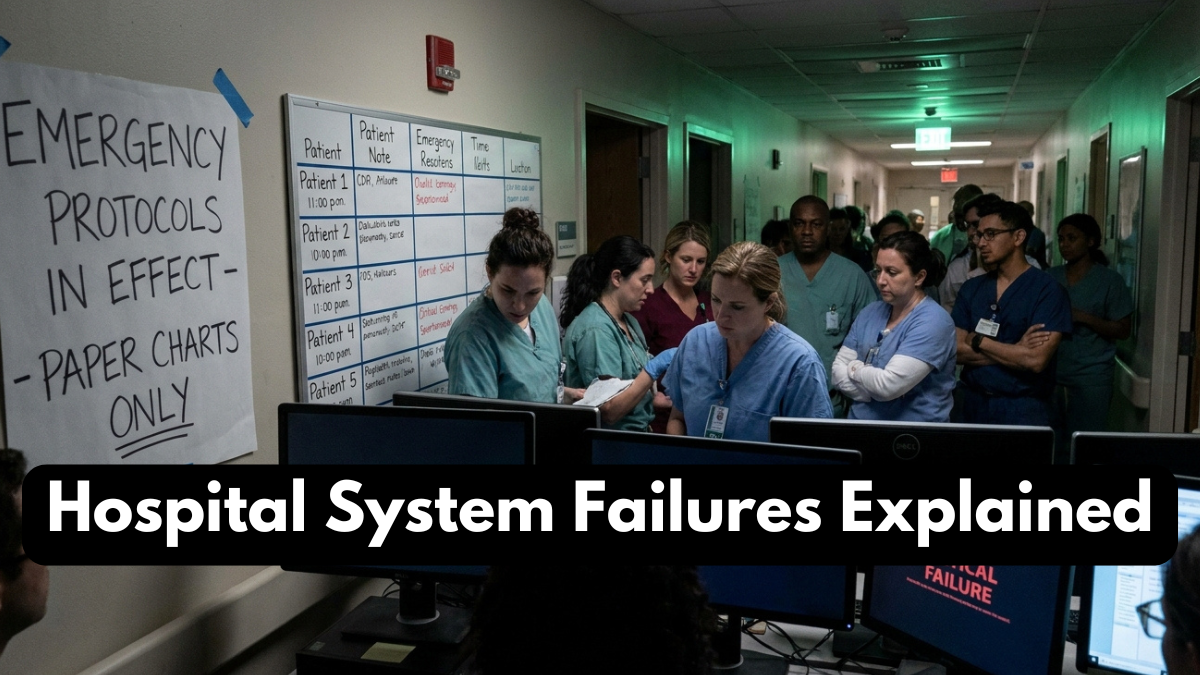
Common Causes of Hospital System Failures
Hospital failures usually occur because multiple operational problems happen at the same time. Experts studying hospital system failures cases often identify communication failures and resource shortages as major contributing factors.
Some common causes include:
- Staff shortages
- Poor communication between departments
- Technology system failures
- Medication management problems
- Emergency room overcrowding
- Inadequate patient monitoring
- Weak hospital administration
One of the most serious healthcare errors involves incorrect medication administration. Mistakes related to dosage, patient identification, or drug interaction can create severe health complications.
Several incidents linked to hospital system failures cases also involved critical system issues such as failed electronic health record systems, delayed laboratory results, and malfunctioning medical equipment. These failures often slow treatment decisions and increase pressure on healthcare staff.
As healthcare systems become more dependent on technology and digital infrastructure, hospitals face growing operational complexity and cybersecurity concerns.
Major Hospital Failure Cases in History
Several major hospital disasters and operational failures remain important examples in discussions about hospital system failures cases because they exposed weaknesses in patient safety systems.
| Hospital Failure Incident | Main Cause | Impact |
|---|---|---|
| Mid Staffordshire NHS Scandal | Poor patient care standards | Hundreds of patient deaths |
| Johns Hopkins Medication Errors | Communication failures | Patient safety concerns |
| COVID-19 Hospital Overcrowding | Resource shortages | Healthcare system strain |
| WannaCry NHS Cyberattack | IT system failure | Appointment cancellations |
| Bristol Royal Infirmary Scandal | Surgical performance failures | Pediatric patient fatalities |
The Mid Staffordshire scandal in the United Kingdom became one of the most discussed examples of hospital system failures cases. Investigations revealed serious healthcare errors, poor patient treatment, understaffing, and weak hospital management systems.
Similarly, the WannaCry cyberattack exposed severe system issues in healthcare infrastructure after ransomware disrupted NHS computer systems across the UK. Hospitals struggled to access patient records and manage appointments, highlighting the growing cybersecurity risks facing healthcare organizations.
These incidents continue influencing hospital safety regulations and healthcare management practices worldwide.
Healthcare Errors and Patient Safety Risks
Patient safety remains one of the biggest concerns in modern healthcare systems. Many incidents connected to hospital system failures cases involved preventable medical mistakes that caused injuries or fatalities.
Common healthcare errors include:
- Incorrect medication dosage
- Misdiagnosis
- Surgical mistakes
- Delayed treatment
- Patient identification errors
- Incomplete medical records
One major challenge in healthcare environments is that doctors, nurses, and support staff often work under high pressure and long hours. Fatigue, stress, and communication breakdowns increase the risk of mistakes.
Several examples linked to hospital system failures cases also showed how poor coordination between departments created serious system issues during emergencies. Delayed test results or missing patient information sometimes prevented timely treatment.
Modern hospitals increasingly use automated medication systems, barcode scanning, and digital patient records to reduce human error and improve treatment accuracy.
Technology and System Issues in Hospitals
Technology has transformed healthcare by improving diagnostics, patient monitoring, and medical record management. However, increasing reliance on digital systems has also created new operational risks for hospitals.
Common hospital-related system issues include:
- Electronic medical record failures
- Cybersecurity attacks
- Medical device malfunctions
- Data loss problems
- Software outages
Several incidents connected to hospital system failures cases involved IT failures that disrupted emergency care and delayed medical procedures. Hospitals now depend heavily on digital systems for patient records, imaging, prescriptions, and communication.
Cybersecurity has become a major concern because hospitals store sensitive patient information and operate critical medical equipment. A severe cyberattack can create dangerous healthcare errors by preventing staff from accessing treatment information during emergencies.
To reduce these risks, healthcare organizations increasingly invest in cybersecurity protection, backup systems, and staff training programs focused on digital safety.
Overcrowding and Staffing Challenges in Healthcare
Hospital overcrowding remains one of the biggest operational problems affecting healthcare systems worldwide. During emergencies, pandemics, or seasonal outbreaks, hospitals often struggle to manage large numbers of patients.
Major overcrowding-related problems include:
- Delayed treatment times
- Reduced staff efficiency
- Increased patient stress
- Limited emergency room capacity
- Higher infection risks
Several examples related to hospital system failures cases occurred because hospitals lacked enough staff and resources to manage patient demand effectively. These conditions increased the likelihood of healthcare errors and treatment delays.
Staff shortages also contribute to major system issues because exhausted healthcare workers face greater physical and mental pressure. During the COVID-19 pandemic, many hospitals experienced severe operational strain due to overwhelming patient numbers and limited medical resources.
Governments and healthcare organizations now focus more heavily on emergency preparedness planning and workforce management to strengthen healthcare resilience.
Lessons Learned from Hospital System Failures Cases
The history of hospital system failures cases has provided valuable lessons for healthcare administrators, governments, and medical professionals. Many incidents could have been prevented through stronger management systems and better communication practices.
Key lessons include:
- Patient safety should remain the top priority
- Technology systems require strong backup protection
- Healthcare staff need proper support and training
- Communication between departments is essential
- Emergency planning improves hospital resilience
One major lesson from previous healthcare errors is that hospitals must create systems that reduce human mistakes rather than relying entirely on individual performance.
Another important takeaway involves addressing hidden system issues before they become major operational failures. Regular audits, technology upgrades, and cybersecurity improvements now play critical roles in hospital safety management.
Public awareness and transparency have also become increasingly important because patients expect accountability and safe healthcare services.
Conclusion
The topic of hospital system failures cases highlights the complex challenges modern healthcare systems face in delivering safe and effective patient care. Serious healthcare errors and operational system issues have caused treatment delays, patient harm, and major public concern in hospitals worldwide. These incidents exposed weaknesses in staffing, communication, technology infrastructure, and emergency preparedness.
Today, hospitals continue investing in advanced medical technology, cybersecurity protection, staff training, and patient safety systems to reduce operational risks. However, maintaining reliable healthcare systems requires continuous improvement, strong leadership, and proper resource management. The lessons learned from past hospital failures continue shaping safer and more efficient healthcare services for future generations.
FAQs
What are hospital system failures cases?
Hospital system failures cases involve operational breakdowns in healthcare systems that negatively affect patient care and hospital performance.
What are common healthcare errors in hospitals?
Common healthcare errors include medication mistakes, surgical errors, delayed diagnoses, and communication failures.
How do system issues affect hospitals?
Major system issues such as IT failures, staffing shortages, and equipment malfunctions can disrupt patient treatment and hospital operations.
Why are hospital overcrowding problems dangerous?
Overcrowding increases treatment delays, staff fatigue, infection risks, and the likelihood of medical mistakes.
How can hospitals reduce system failures?
Hospitals can improve safety through staff training, technology upgrades, cybersecurity protection, and better emergency planning.
Click here to know more.